Ask an independent restaurant owner how many logins they use in a week and the answer is rarely small. A website builder. An online ordering app. The till. A kitchen screen. A booking app. A spreadsheet for the books, another for stock, a rota app, maybe a stack of paper loyalty cards.
Each one solved a real problem the day it was added. Together they create a new one: nothing knows what anything else is doing.
This post looks at what that costs, and what it looks like when your website and the way you run the restaurant are one system instead of nine.
The hidden cost of tools that don't talk
The monthly fees are easy to see. The time is not.
- The same menu, typed again and again. Change the price of a burger and you change it on the website, the ordering app, the till and the printed menu. Miss one and a guest pays the wrong price.
- Sold out, but still on sale. The kitchen runs out of soup at 1pm. The website keeps selling it until somebody remembers to log in.
- Books filled in on Sunday night. Sales live in the till, expenses in a shoebox, supplier bills in an email inbox. Profit is a guess until the accountant tells you.
- Stock that is always out of date. Nobody subtracts what each dish used, so you find out you are low when the delivery doesn't arrive in time.
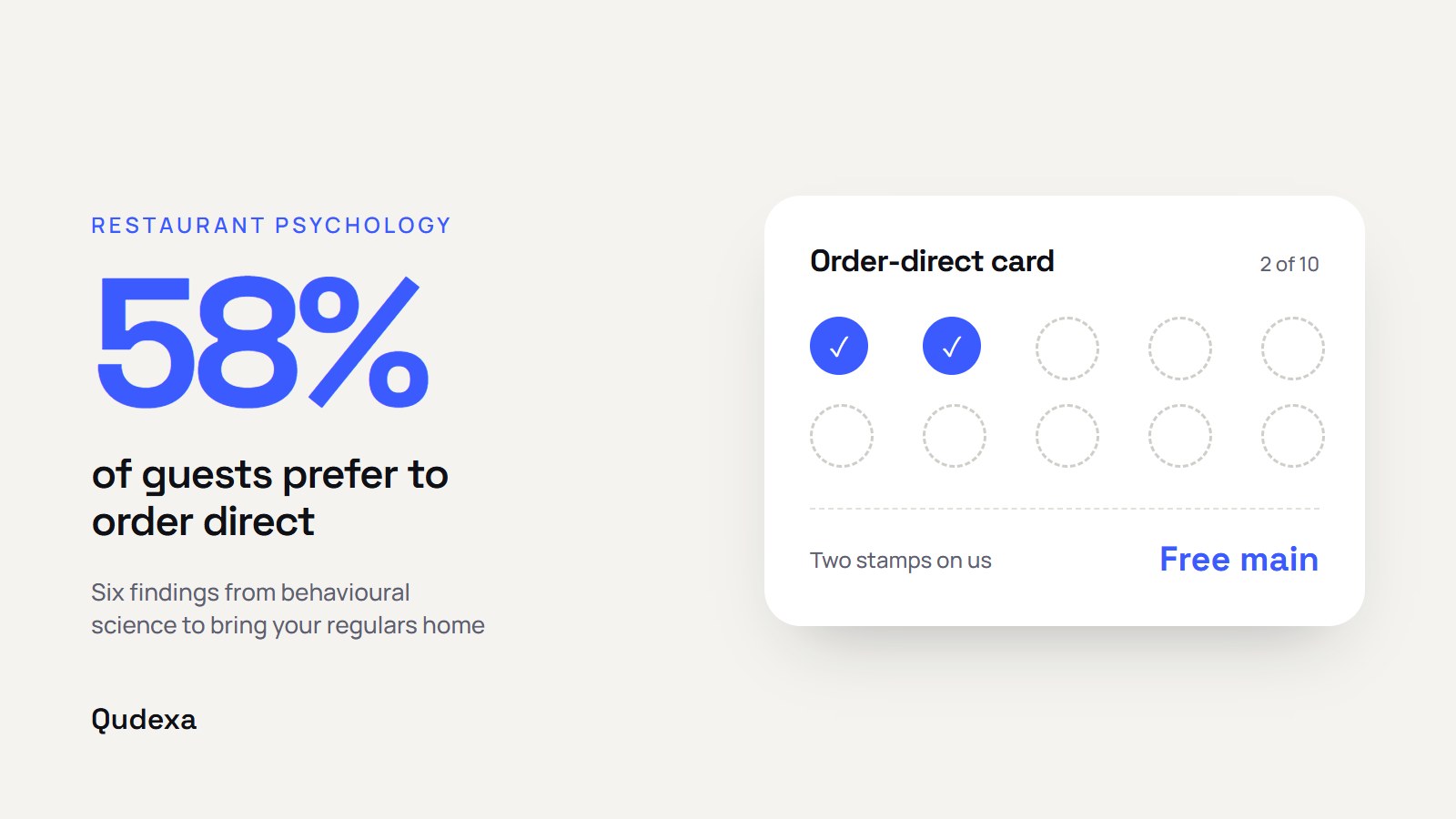
- Guests you never meet again. The ordering app knows your regulars. You don't.
None of these is a disaster on its own. Added up, they are hours every week and money you can't point to.
What "one system" really means
It does not mean one giant app that does everything badly. It means one database behind two faces:
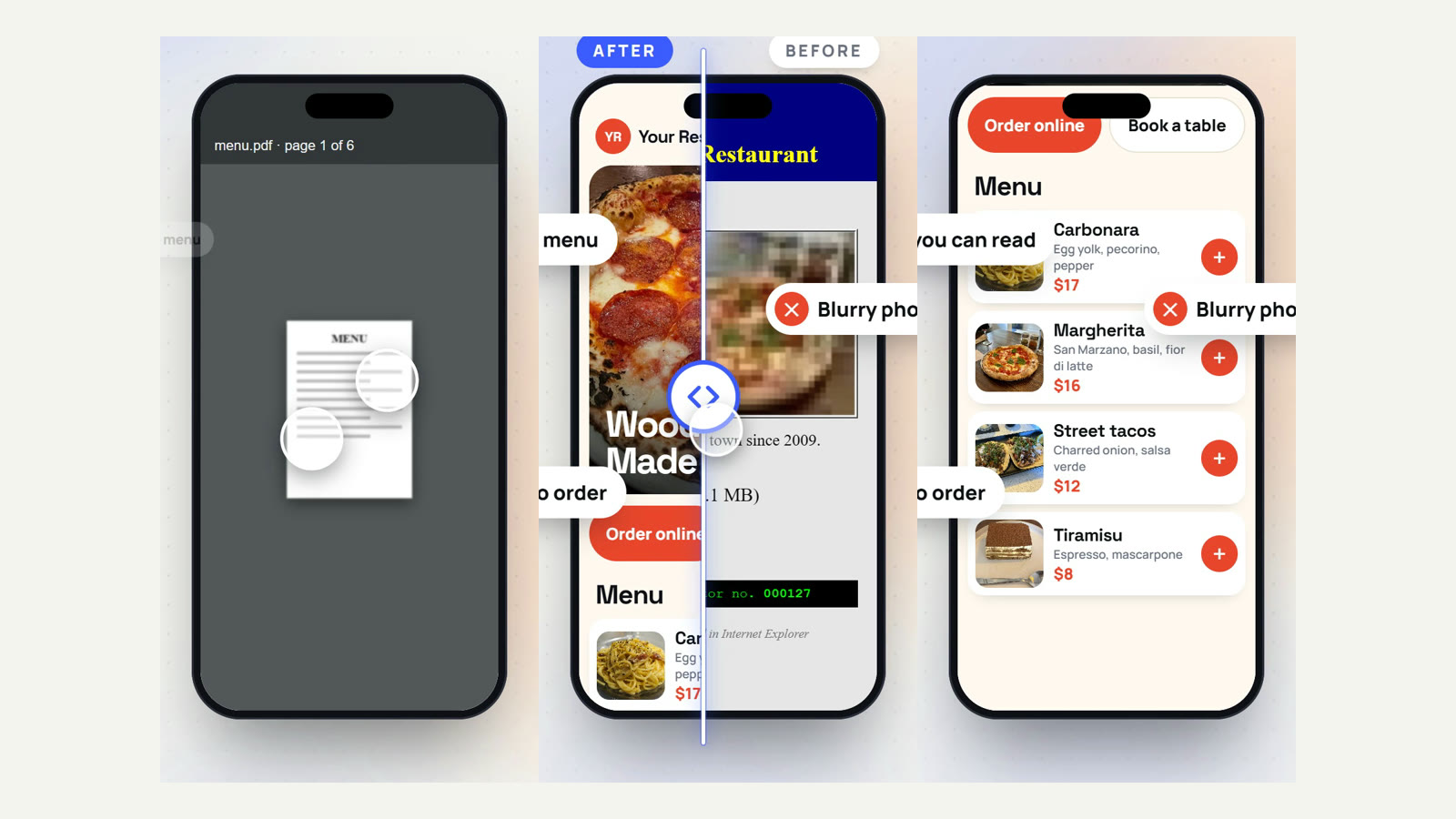
- The website your guests see: your menu, online ordering for pickup or delivery, table bookings, and a page where they follow their order from "received" to "ready".
- The dashboard your staff use: the till, the kitchen board, bookings and the floor plan, stock, the team and pay, and the books.
Because both faces read and write the same data, there is nothing to copy and nothing to sync. A guest orders on the website and the ticket appears on the kitchen board at the same moment. Staff mark it ready and the guest's page changes. The sale is already in today's numbers, and the stock it used is already gone from the count.
A day, start to finish
Here is what that looks like on an ordinary day:
- 09:00 – delivery. The manager ticks the supplier invoice in. Stock goes up and the amount owed to that supplier is written down.
- 11:30 – first online order. A regular orders on your own website. No app in the middle, no commission.
- 12:15 – lunch rush. Tables and takeaway on one till. Split a bill, add a side to an order already sent to the kitchen, print the ticket.
- 15:00 – quiet hour. Mark the soup sold out and it disappears from the website at once. Check which dish earns the most after food cost.
- 18:30 – a booking. A party of six books online for 8pm. The floor plan holds the table, so nobody double books it.
- 23:00 – close. Count the cash drawer, read the day's profit and loss, and export it for the accountant.
That is the whole day, one place, one login per person.
Start small, switch on more later
The worry with any "complete" system is that you have to use all of it on day one. You shouldn't.
A sensible start for most restaurants is the website, online orders and the kitchen board. That alone fixes the menu-typed-everywhere problem and moves regulars off commission apps. When you're ready, switch on the till, then bookings, then the books, then stock and staff pay. Nothing moves, because it was all one database from the start.
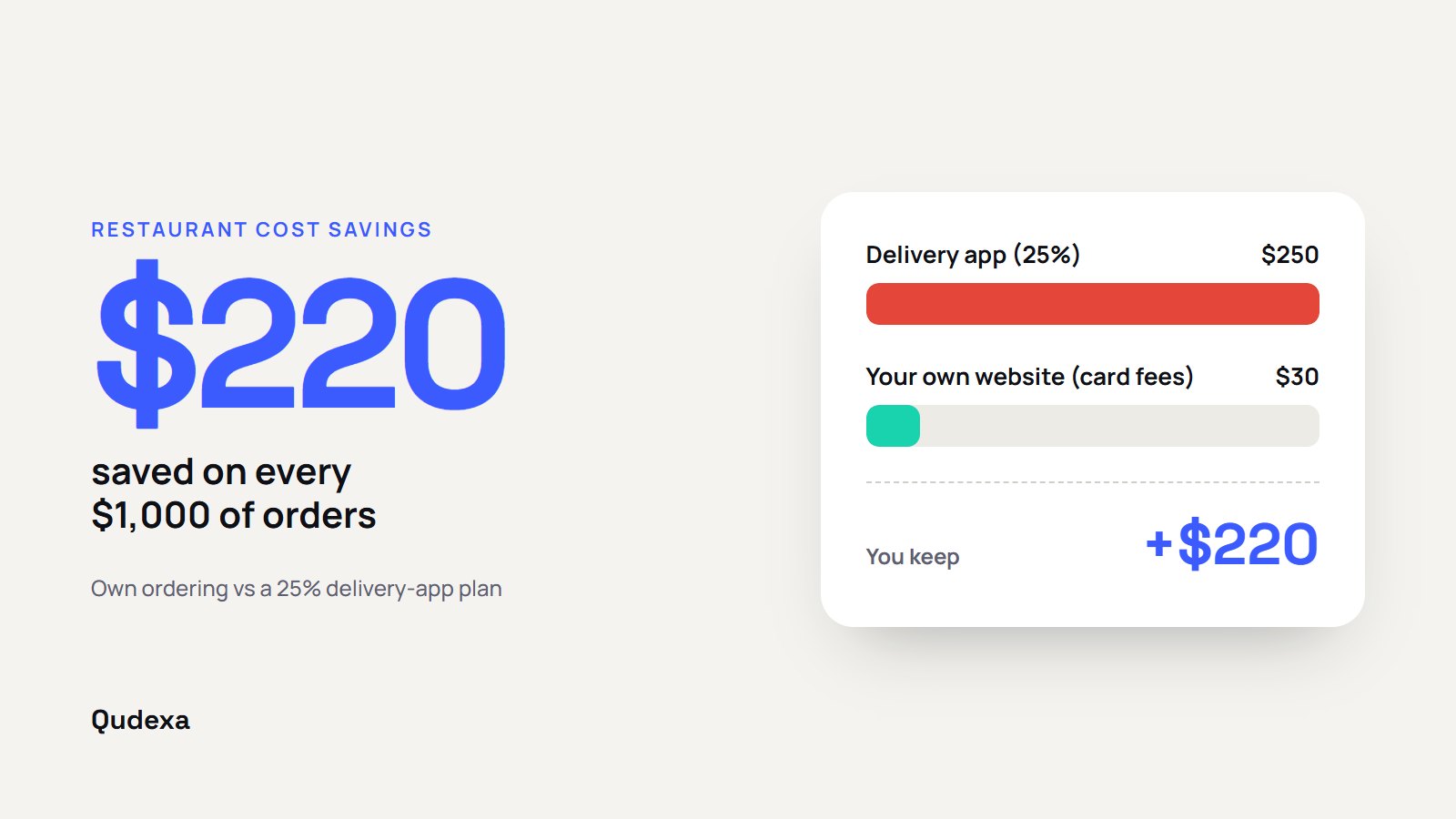
Keep the delivery apps too, if they bring you new guests. Just give the guests who already love you a better way to order directly.
Questions to ask any system before you buy
- Does the website share the same menu and orders as the till? Or is it a separate product with its own login?
- Who holds the money? Some systems push you onto their own card processing and take a percentage. Make sure you know.
- Can each person see only their part? Kitchen staff don't need the books; a server shouldn't be able to give refunds.
- Can you export your data and leave? Menus, orders, guests and books should be yours.
How we built Simmora around this
This is exactly why we built Simmora, the restaurant system from Qudexa. You buy one restaurant website, and the whole system behind it comes with it: orders, the kitchen board, the till, bookings, books, stock, the team and loyalty, switched on as you need them.
A few rules we set from the start:
- We never charge a card. Cash and card are taken on your own machine; Simmora records what was taken and keeps the books. Website orders are paid at pickup or in cash on delivery.
- No commission on your orders, ever.
- Your data is yours to export any time.
You can try the live demo on the Simmora page: place an order on the guest website and watch it reach the kitchen board, the stock and the day's numbers. Then build the set-up you want and we'll show it to you with your own menu before you pay anything.